
The NEO Fund grew out of an early failure.
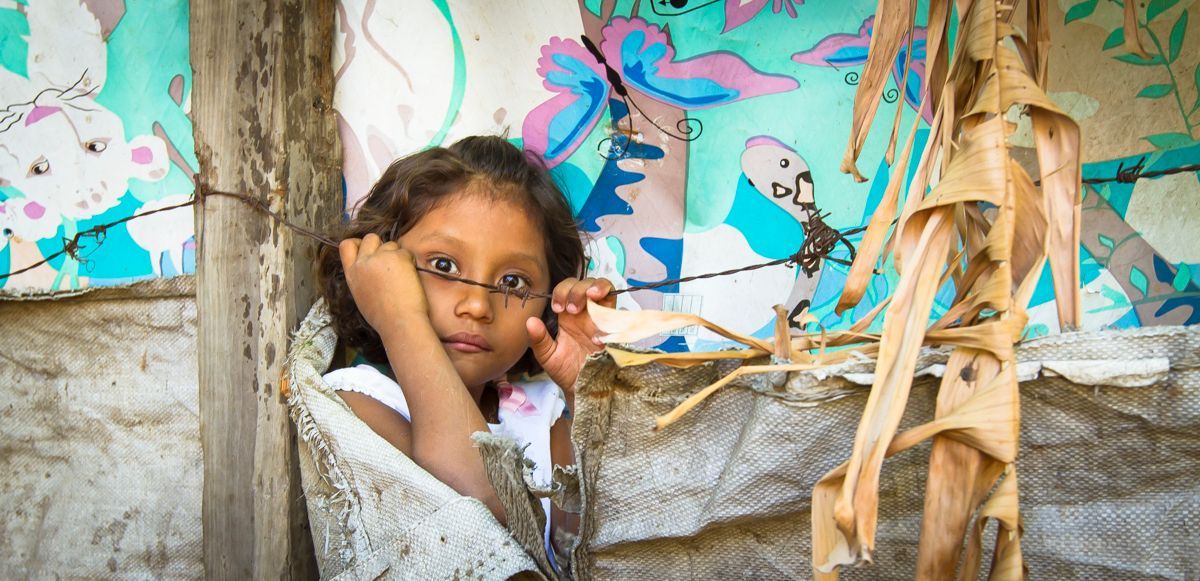
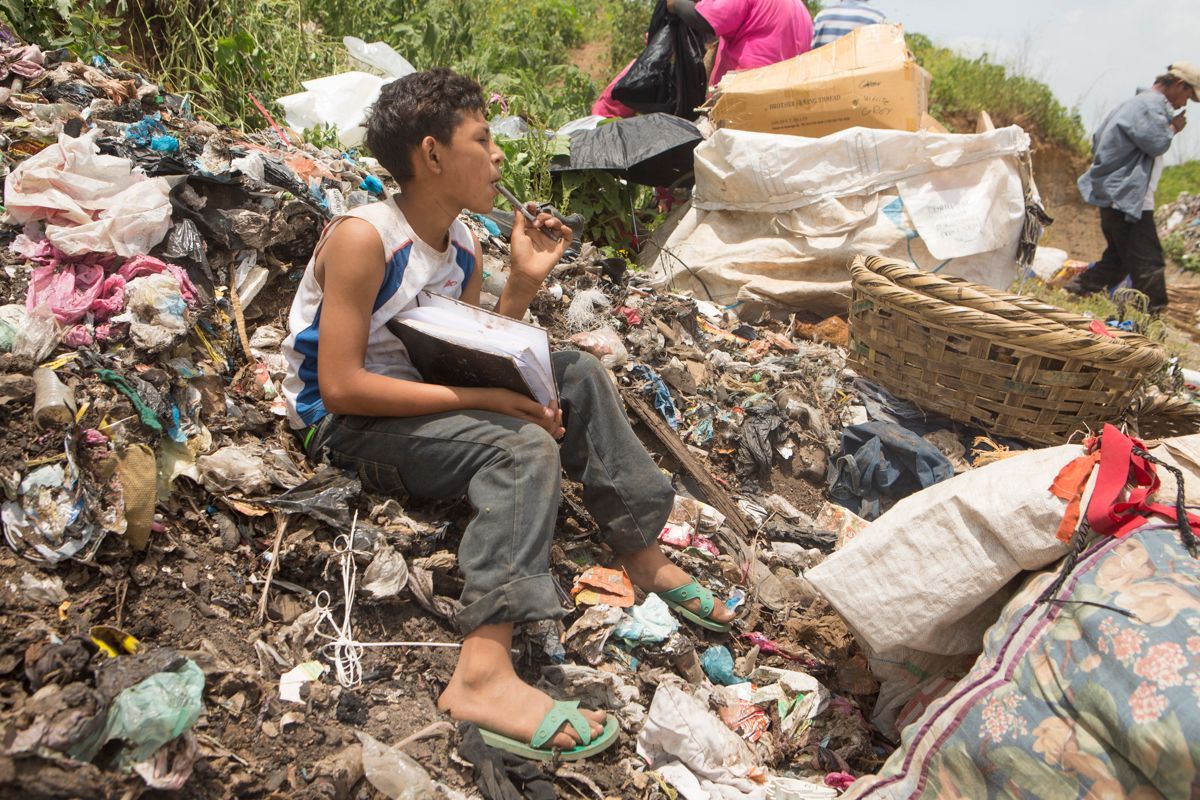
In 2007 a bunch of us traveled to the city dump in Managua, Nicaragua, where thousands of poor people live. We wanted to do good deeds. But as outsiders, we did not yet understand how to help well and our best idea was to give stuff away. We gave beanie babies to dying children, hard candy to slum kids, tiny foreign coins to beggars in the street, and serious cash (for us) to impoverished villagers who were told by another gringo they should start a farm. Which, predictably, would eventually fail.
Our intentions were sincere, but the approach was naïve and ineffective. That forced a deeper question: How can we help the poor in an organic way that actually works?
The NEO Fund was launched about a year later, when two Portland businessmen (from the original group) partnered to start a new outreach in the slums of Managua. We were joined by businesses, civic organizations and churches who wanted to help. Together we hired local leaders who called their first activity “a ministry of walking around.”
The first thing we did right was to work through trusted, deeply imbedded, caring, local leaders.
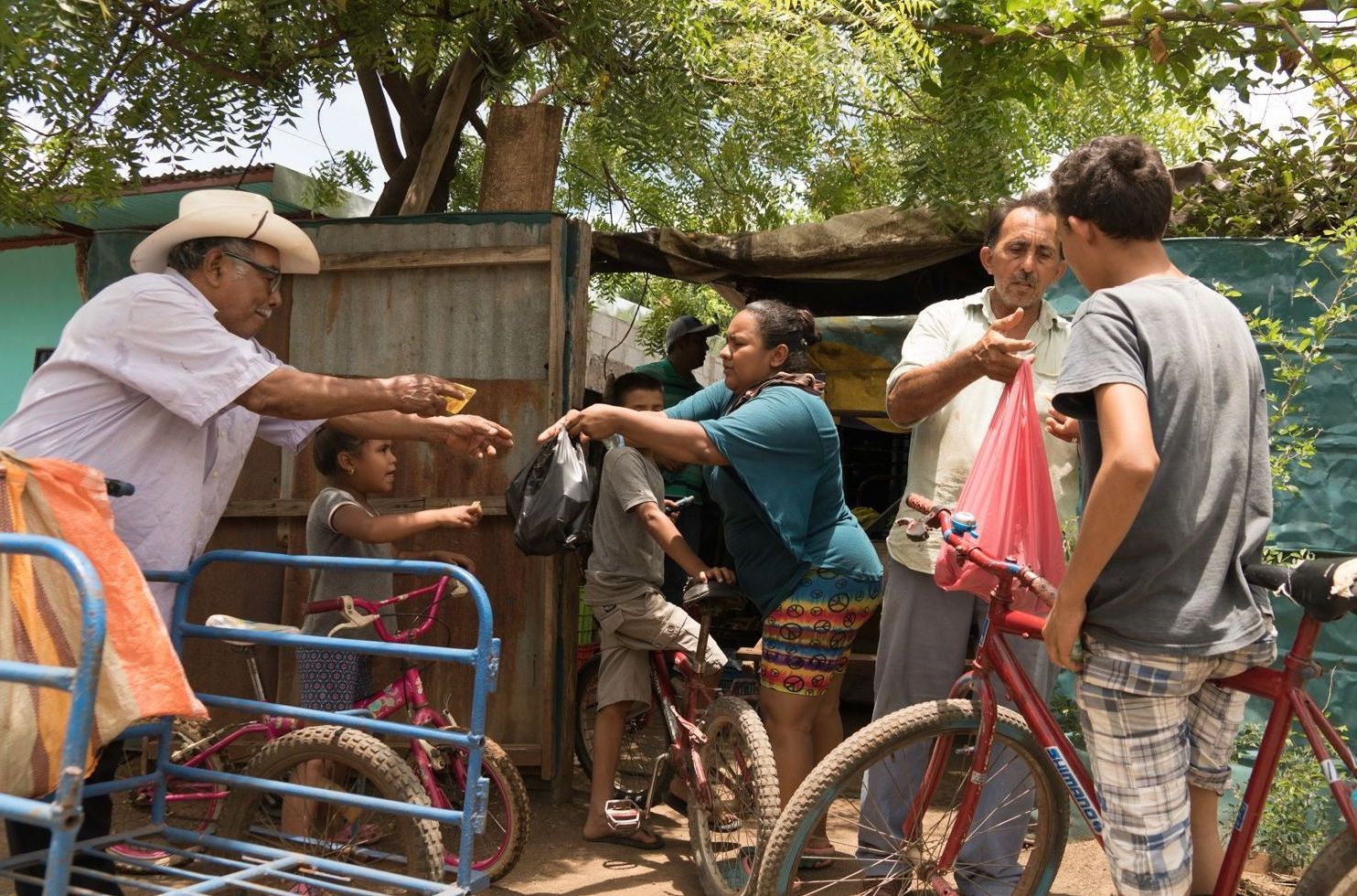
These leaders met people and began to serve the poor, the abused, the neglected and the addicted. Young leaders flocked to them. Within a year we were serving over a thousand people: feeding poor children, educating them and helping to pay for their medical care. These were strategic investments that actually started making a long-term difference in the lives of these families struggling to live on less than $1 a day.
The second thing we did well was to build real relationships at the local level, listen carefully, recognize people’s strengths, and understand what they actually needed.
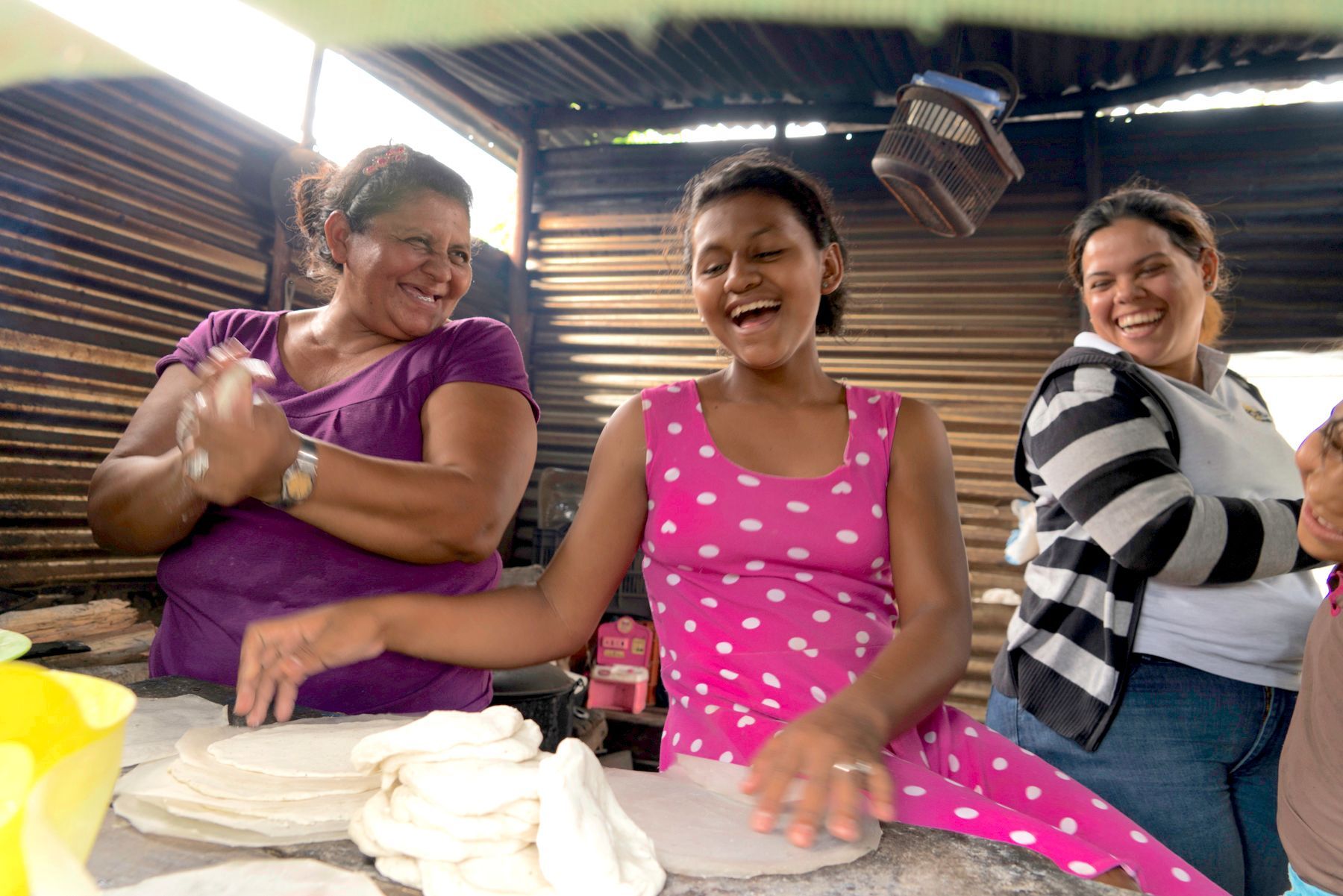
And along the way we made a discovery: One of the things the poor need most is not a handout, but a sustainable way to make money. We learned that lending money to the poor addresses their most apparent needs. And it does so in a way that dignifies them. It refuses to create imbalance in the relationship; it doesn’t feed stereotypes about the haves and have-nots, rich and poor, givers and receivers, the powerful and the powerless. It’s not a handout, it’s just a hand. And when the new entrepreneur pays off her loan, she is filled with pride and confidence. Her marginalized status – a poor person – has shifted somehow. Giving perpetuates the status quo. Lending builds hope.
The third thing we did right was to follow through: to stop giving handouts and lend to the poor instead.
It worked. Imagine that you donated $1 for us to extend as loan capital. For the past 5 years, your dollar has been busy! It may have been loaned to Aurora, who used it to build her plastic recycling business and then paid it back. Then it went to Juset so she could buy a refrigerator/freezer, to build her juice business, and then paid back again. Your dollar might have funded a French fry cart, bought a horse, paid for a battery charger, purchased chickens, beans, pigs, oil, corn, fuel, or a pickup truck. By now your dollar has cycled through 9 or 10 borrowers, helping them build successful businesses and dramatically improving their lives and their children’s lives. At least 50 or more people have benefitted from your one gift – so far.
And your dollar is still working!
The fourth thing we did right was invest in methods that are sustainable and take the long view.
At NEO, our mission begins with the idea of “sustainability.” Lots of relief and development money gets spent once and then it’s gone. But a gift that keeps working over time – one that grows in impact and is still serving families a year or five years later – that is what sustainability looks like. Your gift will go the distance in projects chosen with an eye to the future. Fees and interest from repaid loans cover local administrative costs, providing local jobs and keeping our business training and coaching free.
A fifth priority for us is planning with the future in view.
After testing and proving our lending program in Nicaragua, we’ve expanded to India, and now Guatemala. In time we imagine community-based, relationally-driven NEO Fund projects helping to lift up the poorest of the poor all over the world.